
This often happens in coaching and something that we all need to be aware of…..
The insight arrived, you saw yourself differently, you understood what needed to change, you felt the clarity of who you’re becoming.
And then you went back to real life. And everything looked the same.The job was still there, the team was still there, the routines were still there, the people expecting you to be the old version were still there. And suddenly the insight felt theoretically important in the moment you had it, but not quite real enough to override the inertia of how things have always been.
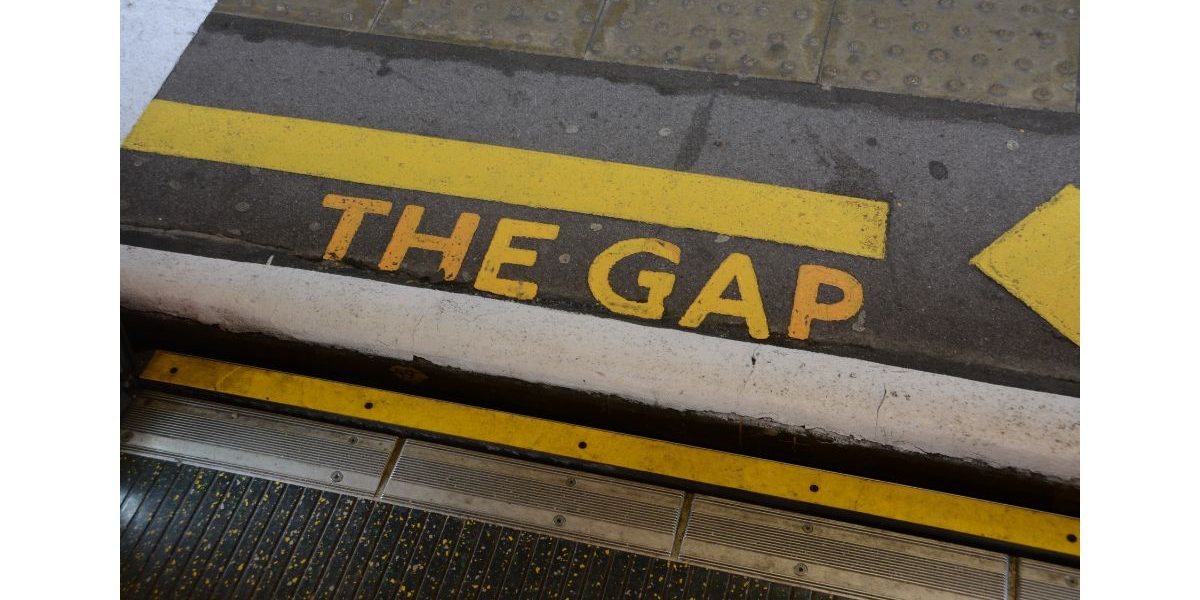
This is the gap most people can’t cross. Not because they lack insight, but because they lack the practical framework for translating insight into action. For taking “I understand who I need to become” and turning it into “here’s what that person does differently on a Tuesday morning.”
This is where process meets pragmatism.
Because the next six months are not about having more insights. They’re about proving to yourself that the insights are real by living them. Testing them. Building new structures around them and creating evidence that this emerging version of you is viable. Not in isolation. In your actual life with the people you work with. In the business you are building, in the role you hold.
The emerging version of you is not someone who exists only in journaling or in coaching sessions or in your own mind. They are someone who shows up differently in meetings, who makes different decisions, who has different conversations. Who sets different boundaries and who pursues different opportunities.
And that requires translation work. You have to get specific and practical. You have to ask yourself not just “who am I becoming” but “what does that person actually do that the old version did not do?”
What conversations do they have that you have been avoiding? What boundaries do they set that you have not set? What ideas do they pursue that you’ve dismissed as too risky or too unconventional? What visibility do they accept that you’ve been hiding from? What partnerships do they create that you’ve been managing alone?
For leaders, executives, and entrepreneurs especially, this is critical. Because you’re not just changing yourself, you are changing the system around you. Your team is organised around the old version of you and your business processes are built around your previous thinking. Your professional reputation is based on the identity you are outgrowing.
Bringing the emerging version into your professional and business life is disruptive. It requires you to renegotiate relationships. Restructure systems. Reposition yourself in your industry or organisation. It is not comfortable, but it’s the only way transformation becomes real instead of theoretical.
Over the next six months, this is the work. Not more insight. Integration. Not more clarity about who you’re becoming. Evidence that you can actually be that person in the world that’s demanding you stay the same.
What would change if you stopped treating your emerging identity as a someday possibility and started treating it as your updated operating system right now?
That’s the question that matters for the next six months.